
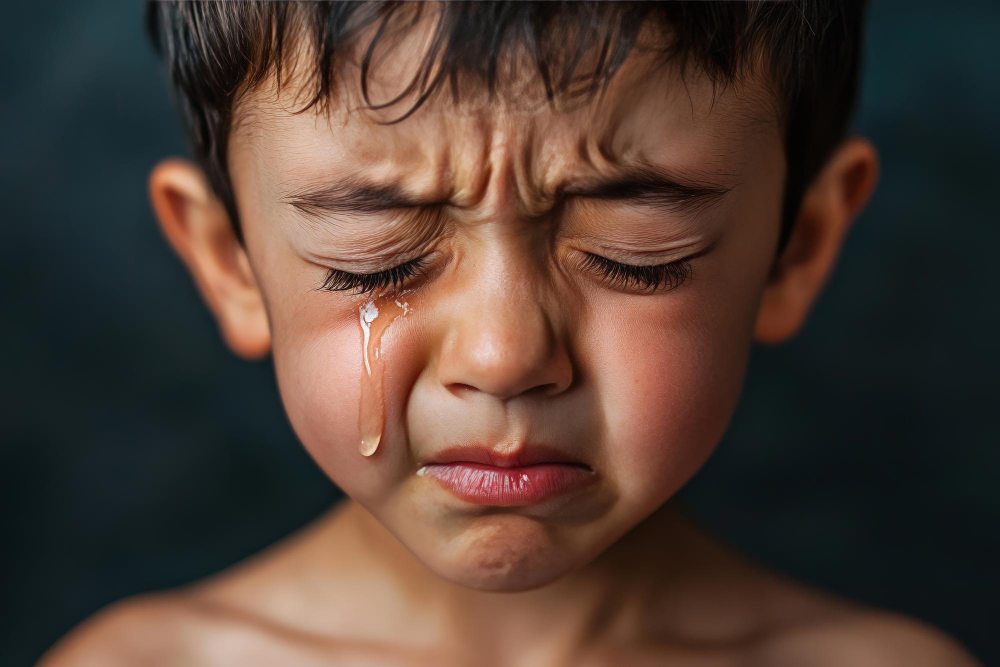
What is Excessive Crying in Children?
Excessive crying in children means a child cries more than usual for their age. Most babies cry to show hunger, discomfort, or tiredness. However, when crying lasts longer or is harder to soothe, it may be called excessive. For parents, understanding why a child cries so much is important. It helps them know when to comfort at home and when to seek help. Persistent crying in infants can worry families, but knowing the facts can ease stress.
Common Causes of Excessive Crying
Many reasons can lead to excessive crying in children. Sometimes, the cause is simple. Other times, it may need medical attention. Here are some common causes:
In addition, changes in routine or environment may also lead to more crying.
Recognizing Symptoms and Warning Signs
While crying is normal, certain signs may show a bigger problem. For example, if your child’s crying is high-pitched or sounds different, pay attention. Also, look for these warning signs:
If you notice any of these, seek medical help right away. Early action can prevent serious problems.
How is Excessive Crying Diagnosed?
Doctors use several steps to find the cause of excessive crying. First, they ask about your child’s crying patterns. Next, they check for signs of illness or injury. Sometimes, they may order tests, such as urine or blood tests, to rule out infections. In many cases, a careful exam is enough. However, if the crying is severe or ongoing, more tests may be needed. The goal is to find and treat the cause quickly.
Effective Management and Soothing Techniques
There are many ways to soothe a crying child. While every child is different, these tips can help:
Additionally, keeping a calm environment can help. If you feel stressed, ask for help from family or friends. Remember, it is normal to need support.
When to Seek Medical Help
Sometimes, excessive crying in children needs a doctor’s attention. Seek help if:
Early medical care can make a big difference. Do not wait if you are worried about your child’s health.
Prevention and Parental Guidance
While not all crying can be prevented, some steps may help. For instance, keep a regular feeding and sleeping schedule. Also, check for common causes like hunger or dirty diapers. Try to keep your child’s environment calm and comfortable. If your child is teething, offer safe teething toys. Most importantly, trust your instincts. If something feels wrong, reach out to your doctor.
In summary, excessive crying in children can be stressful for families. However, knowing the causes and warning signs can help you respond with confidence. If your child’s crying persists or you are concerned, consult a paediatrician at Siddhant Children’s Hospital for personalized advice.