
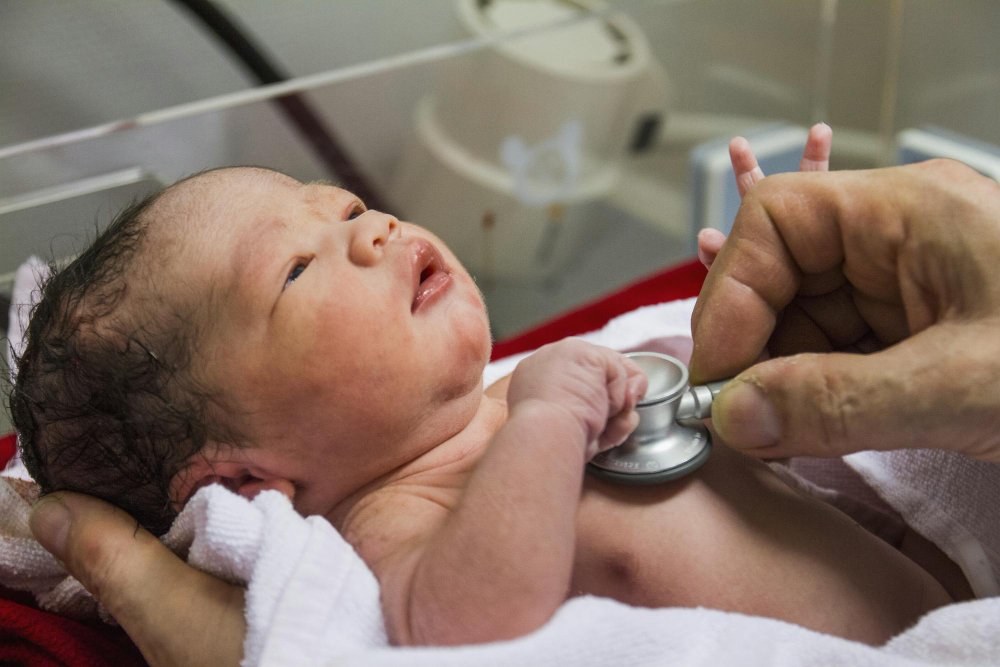
What Is Neonatal Jaundice?
Neonatal jaundice is a common condition in newborns. It happens when a baby’s skin and eyes look yellow. This yellow color comes from a substance called bilirubin. Usually, the liver removes bilirubin from the blood. However, in newborns, the liver may not work fast enough. As a result, bilirubin builds up and causes jaundice. Most cases are mild, but some need medical attention. Therefore, it is important to know the neonatal jaundice symptoms early.
Common Symptoms and Warning Signs
Many babies show signs of jaundice within the first week of life. But, not all symptoms are easy to spot. Watch for these signs:
Sometimes, the yellow color spreads to the arms, legs, or belly. If this happens, it may mean the jaundice is getting worse. In rare cases, babies can become very tired or floppy. If you see these signs, seek help right away.
Causes and Risk Factors
There are several causes of jaundice in babies. Most often, it is due to the baby’s liver not being fully developed. However, other causes include:
Some babies are at higher risk. For example, babies with siblings who had jaundice before may be more likely to get it. Also, babies who are not feeding well can develop jaundice more easily.
How Neonatal Jaundice Is Diagnosed
Doctors use several methods to check for jaundice in babies. First, they look at the baby’s skin and eyes. Next, they may use a special device to measure bilirubin through the skin. If needed, a blood test can confirm the bilirubin level. This helps the doctor decide if treatment is needed. Early diagnosis is important to prevent problems.
Treatment Options and When to Seek Help
Most mild cases of jaundice go away on their own. However, some babies need treatment. Common treatments include:
But, when should you worry about newborn jaundice? If your baby’s yellow color gets worse, or if they are very sleepy, not feeding, or have dark urine, call your doctor. Also, if the yellow color spreads below the chest, seek help quickly. Early treatment can prevent serious problems.
Prevention Tips and Home Care Guidance
While not all cases can be prevented, you can lower the risk. Here are some tips:
If your baby is at risk, your doctor may want to check them more often. At home, make sure your baby is alert and feeding well. If you notice any changes, contact your healthcare provider.
Conclusion
In summary, neonatal jaundice is common and often mild. Still, it is important to watch for neonatal jaundice symptoms. Early action can keep your baby safe. If you notice any symptoms of neonatal jaundice, consult a pediatrician Dr. Abhijit Salve for personalized care.