
Introduction
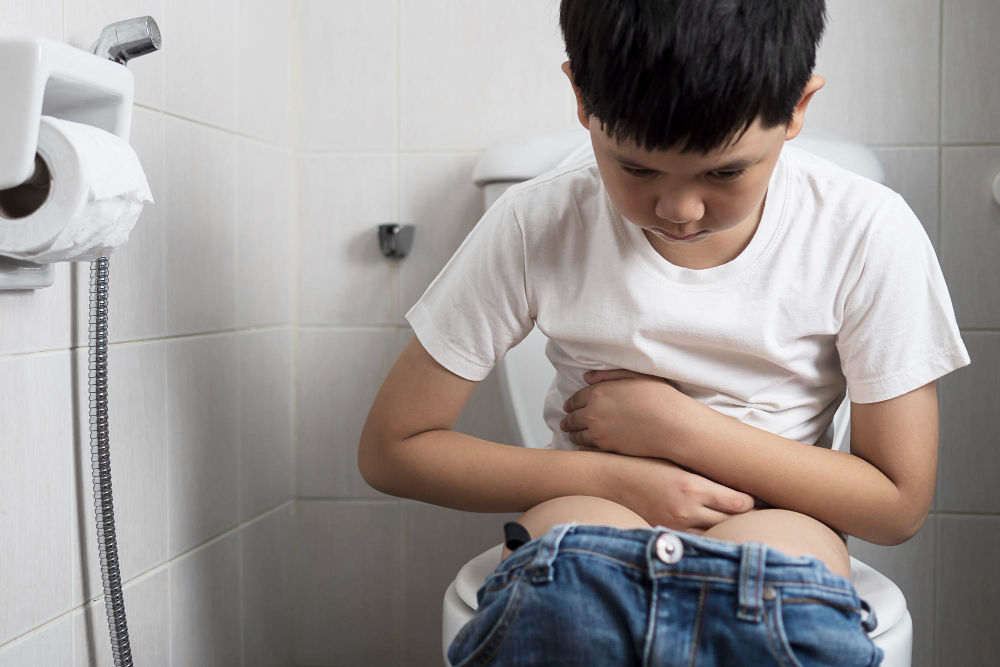
During the rainy season, many parents worry about diarrhoea and vomiting in children. Diarrhoea & vomiting in children — monsoon gut alert is a key topic, as these problems often rise when it rains. Because wet weather helps germs grow, kids are more likely to get stomach infections. As a result, parents and caregivers need to know how to keep children safe and healthy. This guide will help you understand the causes, symptoms, and ways to prevent and treat these common monsoon gut issues.
What Causes Diarrhoea & Vomiting in Children During Monsoon?
Monsoon weather brings heavy rain and humidity. Because of this, germs and viruses can spread more easily. Some main causes include:
Additionally, poor drainage and flooding in monsoon-prone regions increase the risk of infection. Therefore, it is important to stay alert during the rainy season.
Common Symptoms to Watch For
Early signs of monsoon gut health problems in children can appear quickly. For example, you may notice:
Sometimes, children may also show signs of dehydration. These include dry mouth, sunken eyes, or less urination. If you see these, act quickly.
How to Diagnose These Conditions
Doctors usually diagnose diarrhoea and vomiting in children by asking about symptoms and recent food or water intake. In some cases, they may check for signs of dehydration. Sometimes, a stool test or blood test is needed to find the cause. However, most cases do not need special tests. If symptoms last more than two days, or if your child looks very sick, visit a doctor for a proper check-up.
Effective Home Care and Treatment Options
Most children with diarrhoea and vomiting during the monsoon can recover at home. Here are some helpful steps:
Moreover, do not give any medicine for diarrhoea unless a doctor advises it. If vomiting is severe, try giving fluids in very small amounts every few minutes.
When to See a Doctor
Sometimes, home care is not enough. You should contact a doctor if your child:
Early medical care can prevent serious problems. Therefore, do not wait if you are worried about your child’s health.
Prevention Tips for Monsoon Gut Issues
Preventing diarrhoea and vomiting in children during the rainy season is possible. Try these tips:
By following these steps, you can lower the risk of monsoon stomach infection in your family.
Safe Hygiene and Food Practices
Good hygiene and safe food habits are key for monsoon gut health in children. For example:
In addition, remind children to avoid drinking water from unknown sources, especially in monsoon-prone regions.
Conclusion
In summary, diarrhoea and vomiting in children during the monsoon season are common but can be managed. With good hygiene, safe food, and quick care, most children recover well. However, if your child shows signs of dehydration or does not improve, consult a pediatrician at Siddhant Children’s Hospital for personalized advice.