
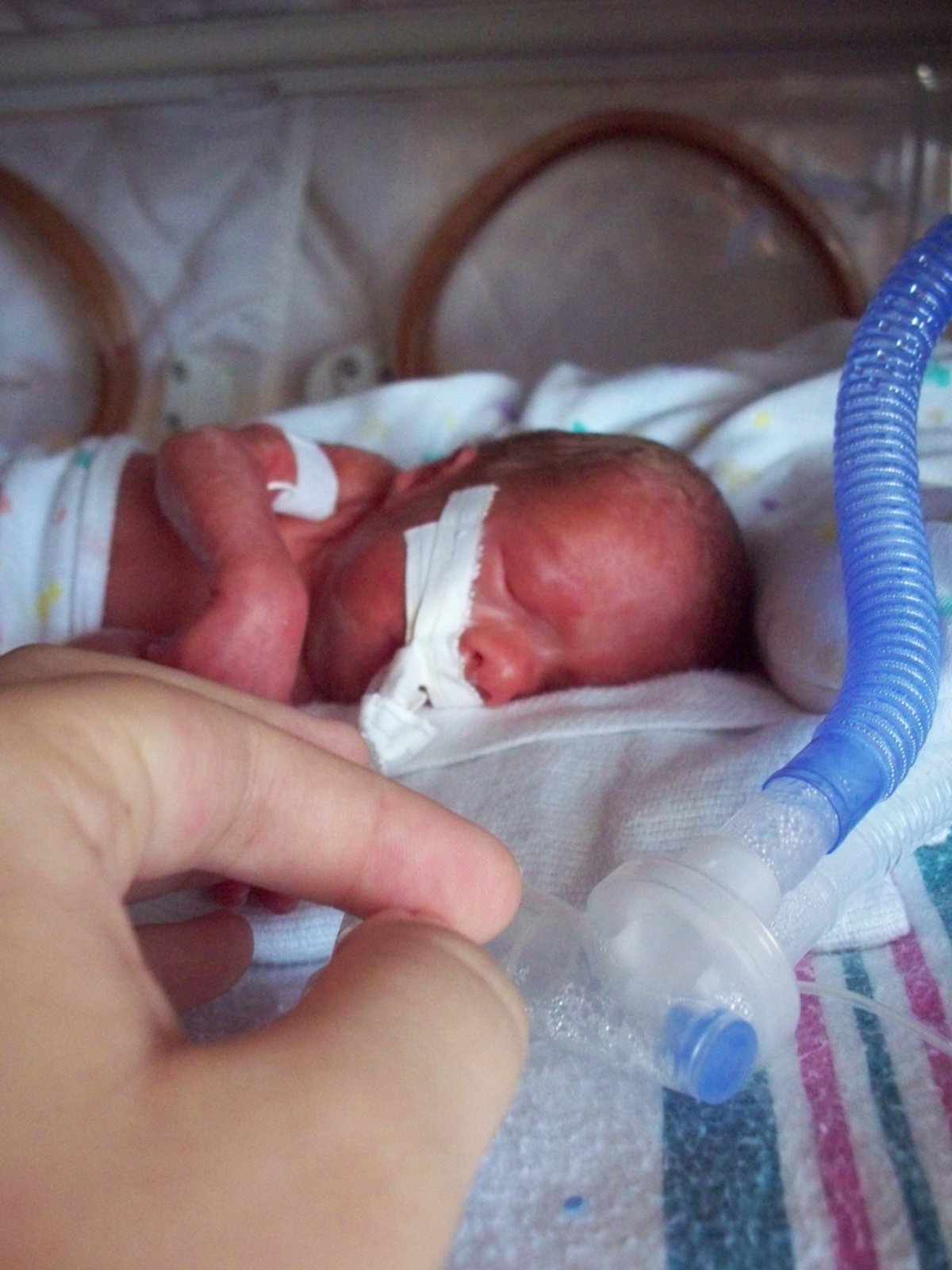
What Are Neonatal Infections?
Neonatal infections are illnesses caused by germs in newborn babies. These infections can happen in the first four weeks of life. Because newborns have weak immune systems, they are more likely to get sick. Early detection and prevention of neonatal infections are very important. This helps keep babies healthy and safe.
Common Causes and Risk Factors
Many things can cause neonatal infections. Often, germs like bacteria, viruses, or fungi are to blame. Sometimes, babies get these germs from their mother before or during birth. Other times, they pick up germs after birth from their surroundings.
Because of these risks, it is important to watch for signs of infection in newborns.
Signs and Symptoms to Watch For
Newborns may not show clear signs when they are sick. However, some symptoms can signal a problem. Early detection can make a big difference. Look for these warning signs:
If you notice any of these symptoms, seek medical help right away.
How Neonatal Infections Are Diagnosed
Doctors use several methods to find out if a newborn has an infection. First, they check the baby’s symptoms and medical history. Next, they may order tests, such as:
Early diagnosis helps doctors start treatment quickly. This can prevent serious problems.
Prevention Strategies for Parents and Caregivers
There are many ways to lower the risk of neonatal infections. Parents and caregivers play a big role. Here are some simple steps:
By following these tips, you can help protect your newborn from infections.
Early Detection: Why It Matters
Early detection of neonatal infections saves lives. When infections are found quickly, treatment can start sooner. This lowers the risk of serious illness or long-term problems. In fact, the World Health Organization (WHO) says early care is key to newborn survival. So, always watch for warning signs and act fast if you are worried.
Treatment Options and When to Seek Help
If a doctor suspects a neonatal infection, they may start treatment right away. Most often, babies get antibiotics through a vein. Sometimes, other medicines or fluids are needed. In some cases, babies may need to stay in the hospital for close care.
Seek help if your newborn:
Quick action can make a big difference in recovery.
Tips for a Healthy Start
Giving your baby a healthy start is possible with a few simple habits. For example, regular doctor visits help catch problems early. In addition, keeping up with vaccines protects against many diseases. Here are more tips:
With these steps, you can help your newborn grow strong and healthy.
Conclusion
Neonatal infections can be serious, but prevention and early detection make a big difference. If you notice any signs of infection, consult a pediatric specialist for personalized advice. Your quick action can help keep your baby safe and healthy.
For trusted newborn and pediatric care, consult the experts at Siddhant Children’s Hospital.