
Introduction
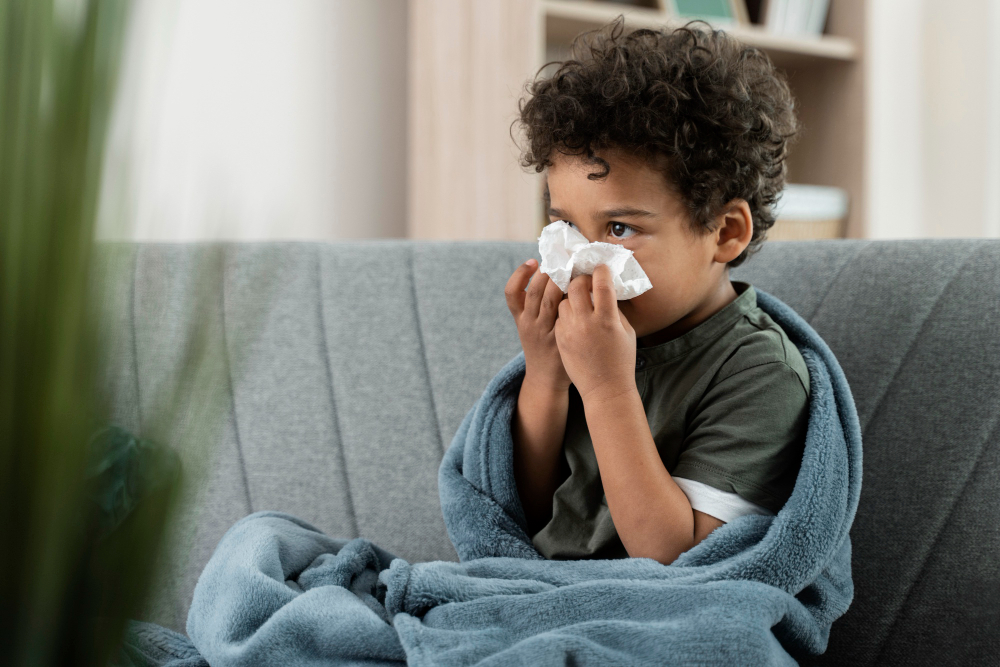
Frequent infections in children can worry any parent. While most kids get sick sometimes, some children seem to catch every cold or bug. But what counts as too many infections? Usually, children have several mild illnesses each year. However, if your child gets sick more often than others, it may be a sign to pay closer attention. Early action can help keep your child healthy and spot any serious problems. In this blog, we will explain what frequent infections in children mean and why it matters.
Common Symptoms and Types of Infections
Children can have many types of infections. For example, they may get colds, ear infections, or stomach bugs. Some common symptoms include:
Most infections are mild and go away on their own. However, if your child has these symptoms often, it may be a sign of child recurrent infections. Sometimes, infections can be more serious, such as pneumonia or urinary tract infections.
Causes and Risk Factors
There are several reasons why children get frequent infections. First, their immune systems are still growing. Also, children often touch their faces and share toys, which spreads germs. Some risk factors include:
In rare cases, frequent infections can signal immune problems in kids. For example, a weak immune system may not fight germs well. If you notice your child is sick more than others, it is important to watch for other signs.
When to Seek Medical Help
Sometimes, frequent infections in children are normal. But there are times when you should see a pediatrician. Watch for these red flags:
If you see these signs, do not wait. Instead, make an appointment with your child’s doctor. Early care can prevent complications and help your child recover faster.
Diagnosis and What to Expect at the Doctor’s Office
When you visit the doctor, they will ask about your child’s health history. For example, they may ask how often your child gets sick and what symptoms they have. The doctor may also do a physical exam. Sometimes, they will order blood tests or other tests to check the immune system. These steps help find out if there is an underlying problem. Most of the time, frequent infections are due to common causes. However, your doctor will rule out serious issues to keep your child safe.
Treatment Options and Home Care Tips
Treatment depends on the type of infection. For mild illnesses, rest and fluids are often enough. Sometimes, the doctor may prescribe medicine, such as antibiotics, if needed. At home, you can help your child recover by:
If your child’s symptoms get worse or do not improve, contact your doctor right away. Quick action can help prevent more serious problems.
Prevention Strategies for Parents
There are steps you can take to lower the risk of frequent infections in children. For instance, you can:
Additionally, remind your child not to share cups or utensils with others. These simple steps can make a big difference in keeping your child healthy.
Conclusion
Frequent infections in children can be stressful, but most are not serious. Still, it is important to know when to see a pediatrician. Watch for warning signs and take steps to prevent illness. For personalized advice, consult a pediatrician Dr. Abhijit Salve. Your child’s health and well-being are always worth the extra care.