
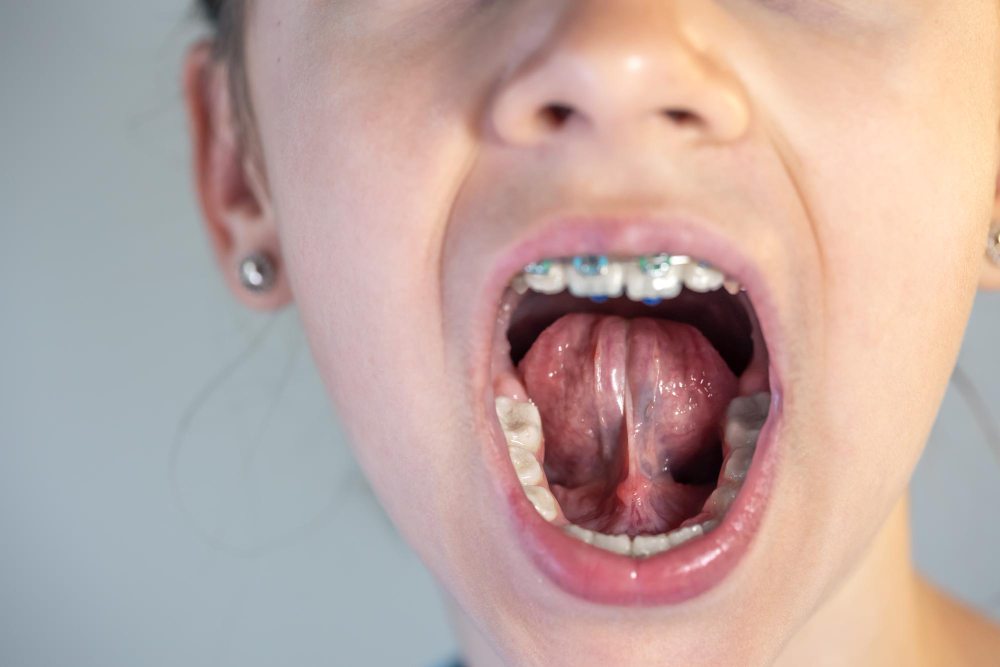
What Is Tongue Tie (Ankyloglossia)?
Tongue tie, also called ankyloglossia, is a condition present at birth. In this condition, a short or tight band of tissue connects the bottom of the tongue to the floor of the mouth. This band is called the lingual frenulum. Because of this, the tongue cannot move freely. Tongue tie (ankyloglossia) can affect babies, children, and even adults. However, it is most often noticed in infants.
Common Symptoms and Signs
Many children with tongue tie show clear signs. However, some may have mild symptoms. Common symptoms include:
Sometimes, parents may notice clicking sounds while the baby feeds. In some cases, the mother may feel pain during breastfeeding.
How Tongue Tie Affects Feeding in Infants and Children
Tongue tie in babies can make feeding hard. Because the tongue cannot move well, babies may struggle to latch onto the breast. As a result, they may not get enough milk. This can lead to slow weight gain or fussiness during feeds. In addition, mothers may feel nipple pain or notice cracked nipples. Bottle feeding can also be affected, but usually less than breastfeeding. According to the CDC, tongue tie is a known cause of breastfeeding problems.
Impact on Speech Development
Tongue tie can also affect speech. While not all children with tongue tie have speech problems, some may find it hard to say certain sounds. For example, sounds like “t,” “d,” “l,” “r,” and “th” may be difficult. Over time, this can lead to unclear speech. However, some children learn to speak clearly even with tongue tie. Early assessment can help decide if treatment is needed.
Diagnosis and Assessment
Doctors or speech specialists can diagnose tongue tie. First, they will look at the tongue and frenulum. Next, they may ask about feeding or speech issues. Sometimes, a simple exam is enough. In other cases, more tests may be needed. The assessment may include:
Early diagnosis helps prevent future problems. If you notice symptoms, talk to your doctor soon.
Treatment Options
Treatment for tongue tie depends on the severity and symptoms. In mild cases, no treatment may be needed. However, if feeding or speech is affected, doctors may suggest:
According to the American Academy of Pediatrics, these treatments are safe and effective when needed.
Home Care and Lifestyle Tips
After treatment, care at home is important. Here are some tips:
With proper care, most children heal quickly. If you have concerns, contact your healthcare provider.
Prevention and When to Seek Help
Currently, there is no way to prevent tongue tie. It is a condition present at birth. However, early detection can help avoid feeding and speech problems. If you notice any of these signs, seek help:
Early support can make a big difference. Your doctor or a speech specialist can guide you on the best steps.
In summary, tongue tie (ankyloglossia) can affect feeding and speech in babies and children. However, with early diagnosis and the right treatment, most children do well. Consult a pediatrician or speech specialist at Siddhant Children’s Hospital for personalized advice on tongue tie.